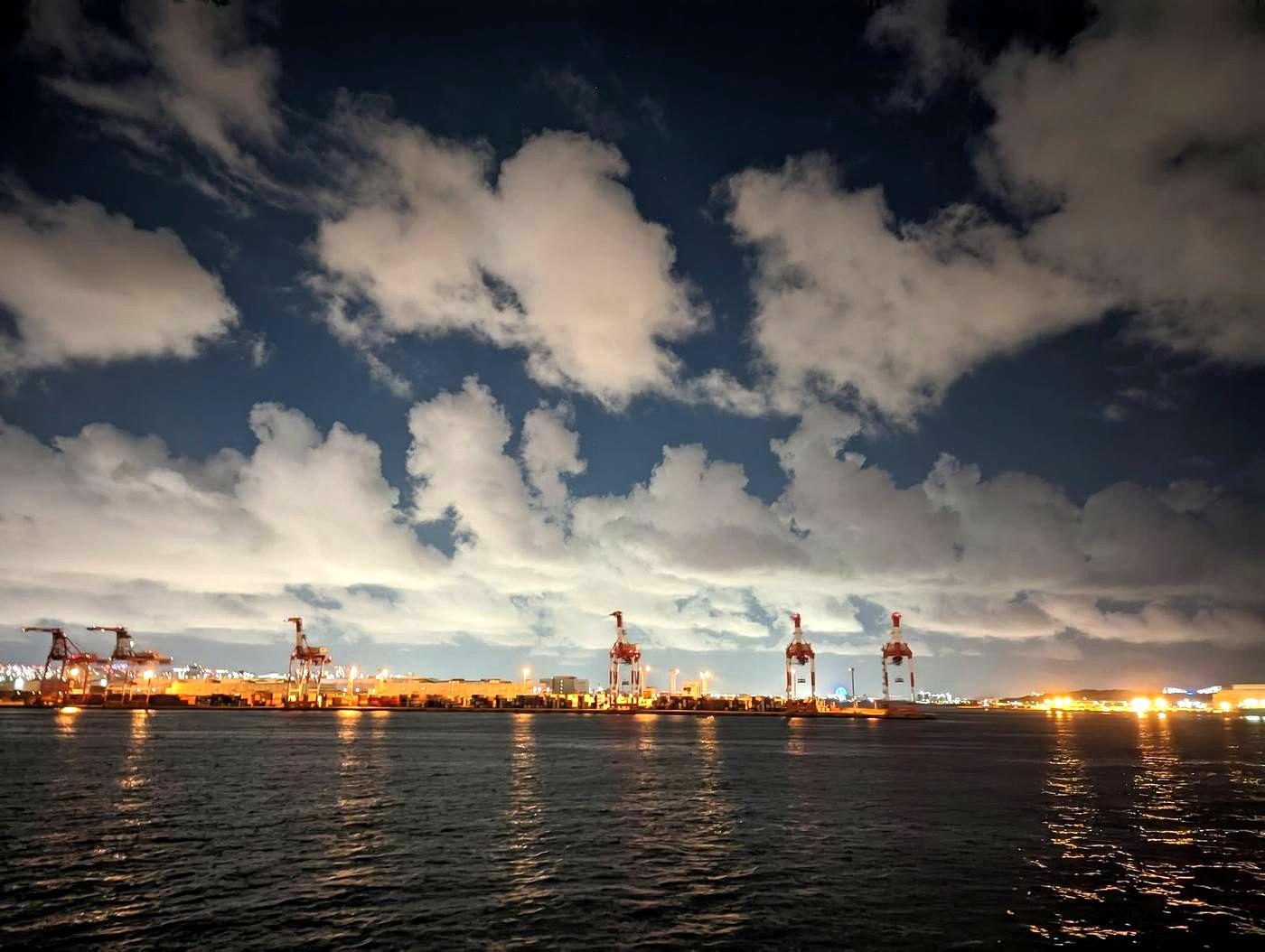
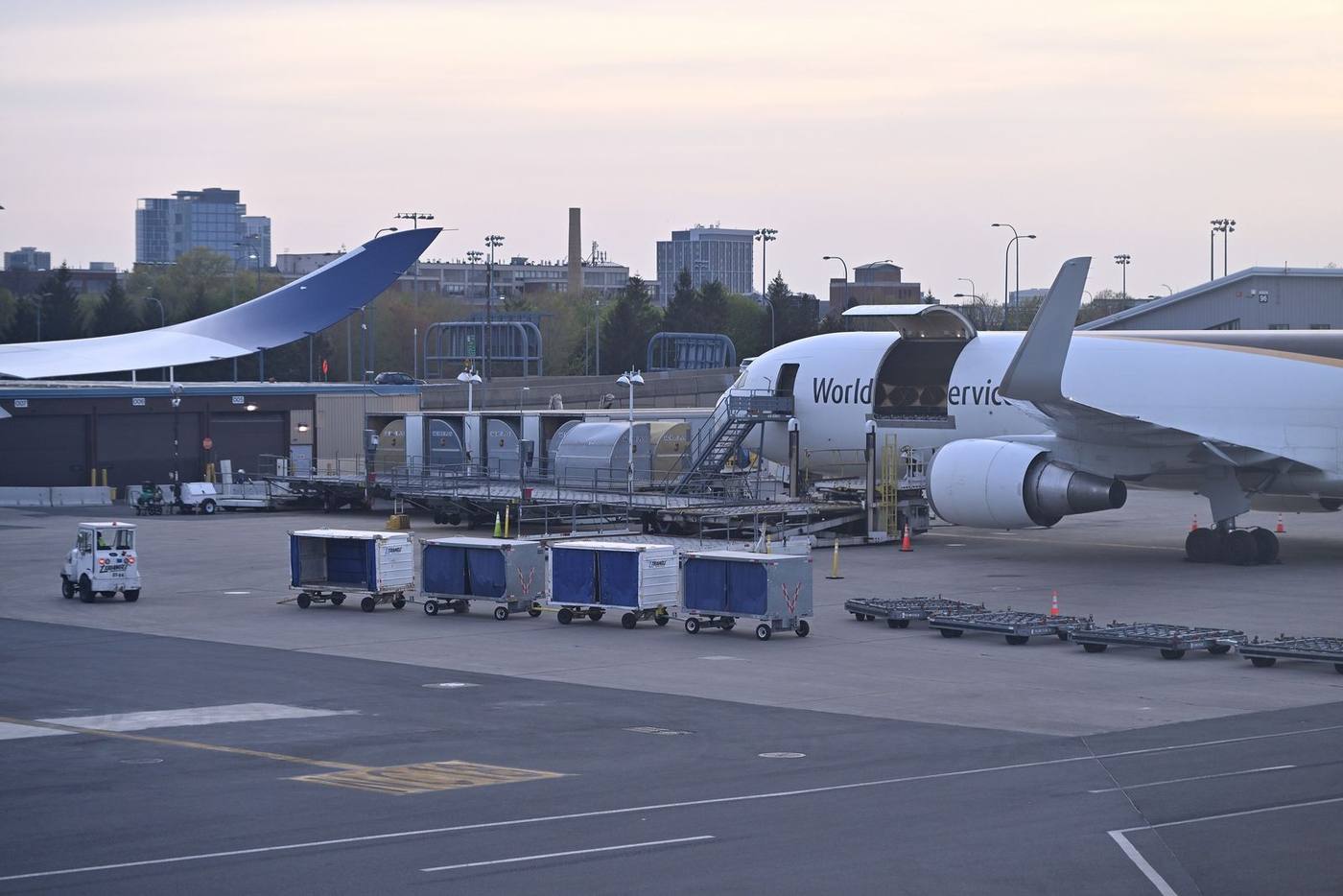
Air freight from China to Canada, 5–9 days door to door.
Consolidated air cargo out of Shenzhen, Guangzhou, Shanghai and Hong Kong into Vancouver, Toronto and Montreal, cleared through CBSA and delivered. For restocks, launch stock, samples and anything the season will not wait for.
Air is not a premium version of sea freight — it is a different tool. It wins on three things and loses on everything else.
Restocking against a stock-out
A three-week gap costs more in lost sales and ad spend than air costs in freight, especially on a product already ranking.
High value per kilo
Electronics, cosmetics, small machinery parts, branded accessories. When the freight is a small percentage of the goods value, speed is nearly free.
Launch and samples
Getting a first container of samples into a Canadian buyer's hands in a week changes whether the order happens at all.
Where air loses
Bulky, low-value cargo. A cubic metre of cushions bills as 167 kg by air; the same cubic metre by sea bills as one revenue tonne. On furniture, packaging, homeware and anything sold by volume, air freight is a rounding error away from economically absurd — and the answer is sea, rail inland, then a local carrier.
Canada has its own compliance surface, and it is not the same as the UK's or the US's. The three that cause the most delay on air cargo:
Lithium batteries — UN38.3 test summary, state of charge limits, and packing instructions depending on whether the battery ships alone, in equipment, or with equipment.
Radio and electrical equipment — ISED certification for anything that transmits, and NRTL marks for certain electrical products sold in Canada.
Health and consumer products — cosmetics, natural health products and some food contact items fall under Health Canada rules and may need notification or labelling that Chinese suppliers have never been asked for.
We are a forwarder, not a certification body: we tell you what the airline and CBSA will ask for, and we refuse cargo that cannot be documented. That is cheaper than a hold at YVR.
Get an air freight price for your cargo
Tell us the goods, the weight or CBM, the Chinese pickup city and the Canadian postal code. You get one all-in number: freight, Canadian duty and tax, clearance and delivery.
Air freight to Canada — questions
How long does air freight from China to Canada take?
Door to door, normally 5–9 days: 1–2 days for pickup and export handling in China, 2–4 days of flying and transit, then 1 day for CBSA clearance and 1–3 days for delivery. Express courier can be faster but costs several times more per kilo.
How is air freight charged?
On chargeable weight — the greater of actual weight and volumetric weight, where volumetric weight is length × width × height in centimetres divided by 6,000 per carton. One cubic metre therefore bills as about 167 kg. Light bulky cargo is expensive by air for exactly this reason.
Can you ship batteries and electronics to Canada?
Lithium batteries need UN38.3 test summaries and, depending on watt-hour rating and packing, a dangerous goods declaration. Electronics may also need ISED certification for radio equipment and NRTL marks for certain products. We check the paperwork before the cargo is booked, not at the airport.
Which Canadian airports do you use?
Vancouver (YVR), Toronto (YYZ) and Montreal (YUL) are routine. The choice is driven by the delivery address and the airline rotation — a Toronto delivery that clears in Vancouver adds a domestic leg that can cost more than the difference in airfreight.
When is air cheaper than sea overall?
Almost never on pure freight cost, and often on total landed cost. Air wins when the goods are high value per kilo, when a stock-out costs more than the freight difference, or when the season is short. A 200 kg urgent restock that arrives three weeks earlier usually pays for itself; a container of furniture never will.
Air freight, quoted in 24 hours
Send the goods, the chargeable weight (or the carton dimensions) and the Canadian postal code — we price the air leg and the delivery together.